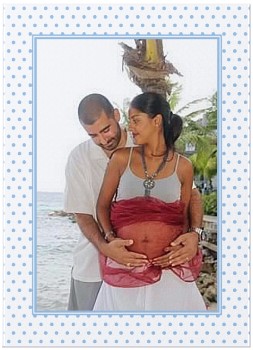
Earlier I wrote about the battle of the sexes due to differences between men and women. Although there are differences there are far more similarities between us biologically and socially. However, our cultural attitudes pressure us to believe that we are similar and different regardless of our biology.
There are those that believe that we are similar, such as feminists, and that we are capable of developing the same way depending on how we are raised and our interactions within and between groups. The only difference is that we have different genitalia which makes us look physically different from each other. Others believe that we are so different because of our roles in society and because of our physical nature, a notion that has been formed by the men for the purpose of oppressing women for their own personal gain.
The problem with these notions is that they do not include a biological perspective which really weakens these arguments. Also, although humans live in groups and societies this does not mean that particular groups reflect how individuals develop biologically. The environment does have an influence on the development of human beings, both female and male, but so does our evolutionary history and we cannot disregard this fact when we are discussing gender and equality. We are human beings whether female or male and we do have physical, developmental and chemical differences but that does not mean that our capabilities are so different.
The Y chromosome is in fact not quite different from what it was for tens of millenia. Because males are quite competitive in their behaviour when females or resources or revenge is a concern many of them were not able to prolong their genetic line (Y chromosome) compared to others that were more successful such as Genghis Khan from the Mongolian region. Some men had many descendants and others had none leaving us with a small number of distinct Y chromosomes. On the other hand, a larger number of women had a more evenly distributed number of descendants, since there was less competition and instead chose the best-quality males, leaving us with a larger number of distinct mitochondrial genomes (Pinker, The Blank Slate, pg. 347). This evidence illustrates one of many biological differences between men and women.
The real underlying issue though is that the minds of men and women are thought of to be so different that both sexes are incapable of being successful at the same things. Some people believe that men think more about justice and rights while females are more compassionate, nurturing, and empathetic to others. I beg to differ. Men are not from Mars nor are women from Venus. They are from Africa where they evolved together as one species. Men and women have all the same genes except for a small number on the Y chromosome and their brains are so similar. They have the same general levels of intelligence which help them to experience the physical and living world in the same way and they both experience similar basic emotions.
But of course there are differences which can be noticed by the opposite sex but are also manipulated into being major differences by society which make people think that we are much different than we actually are. Men have a stronger preference for having multiple partners and they are more likely to compete aggressively over stakes great or small. Men are taller than women on average and men are better at mentally rotating maps and objects. Men also have a greater tolerance for pain and a willingness to risk life for status and attention. In contrast, women are better at remembering landmarks and the positions of objects. They are more dexterous and have better depth perception. They are better at reading facial expressions and body language and have a better memory for verbal material. They also experience basic emotions more intensely, except anger, have more intimate social relationships, and are more empathetic toward their friends, though not towards strangers (Pinker, The Blank Slate).
Putting aside these differences it is important to understand that men and women are very much alike in our genetic make-up and it is our biology which governs how we develop as men and women. We do not have to put ourselves in different categories to identify our strengths and weaknesses and our differences. Instead, we need to embrace these minor differences in order to accept and compromise with one another. We should not let our differences overpower what we truly want in our lives which is the satisfaction of our emotions and desires. Rather than hinder each others strengths, we should help each other harness them because that is how we have evolved. Men do not only need to be the hunters and women gatherers but rather we are both capable of achieving these tasks, especially in Western culture. We are not so different and we should not let anyone lead us to believe otherwise.
Tuesday, March 31, 2009


Friday, March 13, 2009
Self-Deception: To Believe What We Are Not
It is true that people live in a world of self-deception. They remain aware that it is possible to be deceived by another person-- a family member, a coworker, or a friend-- so they try to ensure that they are not taken advantage of or fooled. They know that if they are deceived that they will have to reap the costs of their error in judgment. It is sort of like a part of the human radar in order to avoid people that are dishonest and greedy--- a social behaviour that was used long ago by our ancestors to do the same for the protection of their families, tribes, territory, and resources.
Deception is prevalent in society among relatives and non-relatives. It takes effort and energy to maintain a straight face and charm in order to deceive others. Whether the deception has to do with telling a lie to get away with something or take advantage of someone the individual has to almost believe their own deception to outwardly give an impression of honesty and genuineness. Not only do they deceive others but they subconsciously deceive themselves. It becomes increasingly difficult for the person to distinguish between what is real and what is superficial and where to draw the line.
It is not easy to understand self-deception from the point of view of a human being. We constantly judge ourselves while judging others and adopt or develop stereotypes in order to understand other people. None of this seems to be based upon our biological nature but rather shaped by our culture. We feel that we are more or less right about our judgments about ourselves and others but we are simply not. We tend to hold biases about different things (i.e. politics, race, gender, age, beauty, wealth, happiness, etc.) that make up part of our moral sense. These biases do not necessarily make up who a person is but instead reflects what society as a whole believes. These beliefs are emphasized in the media in order to get the attention of individuals and mold their opinions--- it is a form of deception. We pick and choose what to believe based on societal 'norms' and in turn deceive ourselves by accepting different biases without really understanding the ideas.
There is truly a cycle of deception which exists in society and it causes human beings to continuously deceive ourselves. Although it is important to detect when someone is being deceptive it is also important to understand that deception exists in all parts of society whether it is in government, business, media, social interactions, religion, education, it is everywhere.
We cannot simply believe something without knowing the basis of the idea or belief. There needs to be a means to understand society. One credible method is to look to science and evolutionary psychology for an understanding of human nature and why our thoughts operate in such a way. We are no more than a biological species with feelings and thoughts but we cannot believe that the basis of our moral sense comes from something beyond our biological limits. In that case, we are simply deceiving and confusing ourselves and driving us further from reality-- from what is true in the realm of our nature. We are only hurting ourselves when we believe what we are not.
Deception is prevalent in society among relatives and non-relatives. It takes effort and energy to maintain a straight face and charm in order to deceive others. Whether the deception has to do with telling a lie to get away with something or take advantage of someone the individual has to almost believe their own deception to outwardly give an impression of honesty and genuineness. Not only do they deceive others but they subconsciously deceive themselves. It becomes increasingly difficult for the person to distinguish between what is real and what is superficial and where to draw the line.
It is not easy to understand self-deception from the point of view of a human being. We constantly judge ourselves while judging others and adopt or develop stereotypes in order to understand other people. None of this seems to be based upon our biological nature but rather shaped by our culture. We feel that we are more or less right about our judgments about ourselves and others but we are simply not. We tend to hold biases about different things (i.e. politics, race, gender, age, beauty, wealth, happiness, etc.) that make up part of our moral sense. These biases do not necessarily make up who a person is but instead reflects what society as a whole believes. These beliefs are emphasized in the media in order to get the attention of individuals and mold their opinions--- it is a form of deception. We pick and choose what to believe based on societal 'norms' and in turn deceive ourselves by accepting different biases without really understanding the ideas.
There is truly a cycle of deception which exists in society and it causes human beings to continuously deceive ourselves. Although it is important to detect when someone is being deceptive it is also important to understand that deception exists in all parts of society whether it is in government, business, media, social interactions, religion, education, it is everywhere.
We cannot simply believe something without knowing the basis of the idea or belief. There needs to be a means to understand society. One credible method is to look to science and evolutionary psychology for an understanding of human nature and why our thoughts operate in such a way. We are no more than a biological species with feelings and thoughts but we cannot believe that the basis of our moral sense comes from something beyond our biological limits. In that case, we are simply deceiving and confusing ourselves and driving us further from reality-- from what is true in the realm of our nature. We are only hurting ourselves when we believe what we are not.
Tuesday, March 10, 2009
Reciprocity in Society: Returning the Favour
It's quite interesting to see how individuals behave and socialize within a group of other individuals of no relation to each other. It is quite a different story when individuals interact within a family or circle of close friends and relatives. The major difference is that in a group of non-relatives individuals have expectations of the others that requires reciprocity and equality.
It's no surprise that when someone asks for a favour that they are expected by the other party to return the favour so there are no hard feelings between the two. When a favour is not returned it is easy to understand what happens. The other party feels like they have been taken advantage of which leads to feelings of anger, resentment, and disprespect. It is hard for them to forget what happened to them and it becomes harder for them to give out favours if they feel that they will not get one in return. The person who has not returned the favour most likely has a record of this kind and feels that regardless of hurting feelings they have gained something without giving something. However, within a group, a person with such motives cannot last long without being punished for their actions. Their behaviour can spread throughout the group as they continue to do this to others. They gain a reputation for being stingy and dishonest and eventually cannot gain favours from anyone in the group. The individuals in the group that continue to return favours are the ones to gain more in the end because more people are willing to help due to their reciprocity. This is why most people realize the importance of reciprocity within a group or society because it is a way for them to gain trust and loyalty from non-relatives and maintain good standing.
Perhaps the idea 'be good to thy neighbour' has lasted for so long among societies for the very reason of reciprocity. It really has nothing to do with the mythical belief of karma but instead has to do with fostering bonds between non-relatives in order for there to be reciprocity, especially in times of need. It is not always certain that an individual will be near their family and friends who will help them in any case more or less so it is imperative to have an alliance with others. But good will only come for those who are willing to return the favour or they may end up in the court of law.
Laws are important to have in a society of non-relatives that give and receive favours. In a large society an individual can never be certain if their favour will be returned when they are not familiar with the backgroud and behaviour of the other party. They may pay for a service or make a large purchase on something and never be given what they expected. They may provide a service for someone and never receive payment. There are so many ways in which individuals can be taken advantage of and never see reciprocity in society which is one of the main reasons why there is a justice system. Laws help to maintain reciprocity among socieites of individuals who have no relation to each other. They help to maintain a balance of giving and receiving favours among and between individuals in order for there to be peace and altruisim.
Altruism is an emotion that is innate in human beings and that is why there is recirpocity. An individual may want to help someone in need but would like to know if the other person would do the same for them. It is simple. Or is it? People may want to show altruism to others even if the other party is helpless but they would require some sort of guarantee that there is some sort of benefit for them.
But what happens if the other person cannot return the favour because they are poor or sick or helpless? Does this mean that they are not altruistic or choose to not be altruistic? Where do we draw the line here? In a democratic system of laws and rights how do we help people that cannot return the favour? Some societies around the world are controlled in a dictatorial manner where there are a few individuals who run the show. They take the profits of a working society and divide the funds disproportionately so they get the bulk of the earnings. The rest of society has to settle for their share without question and without fair reciprocity. In other societies people who are in higher income brackets pay more to the government through a tax system. People in the lower income bracket pay less but they also may be entitled to more social services funded solely by the tax system. Although it seems like the higher income earners do not see many direct benefits comapred to the lower income earners but it may be indirectly benefical in that there is added stability in society (i.e. less crime, poverty, and sickness). It is almost always necessary to have some form of a people's government to enforce laws within a judicial system in order to foster reciprocity in a society. In many cases it is the government that becomes the party to only receive favours and brainwash society into believing otherwise. But that is a another story.
Reciprocity is important within a group because it allows non-relatives to be altruistic and respectful to one another. It is hard to know who to trust to return a favour in a society of strangers. But if people who are altruistic teach their children about reciprocity and what it is to be respectful and honest then more people can begin to share this common and innate quality with one another and maintain a 'good' society without all the mythical jargon.
It's no surprise that when someone asks for a favour that they are expected by the other party to return the favour so there are no hard feelings between the two. When a favour is not returned it is easy to understand what happens. The other party feels like they have been taken advantage of which leads to feelings of anger, resentment, and disprespect. It is hard for them to forget what happened to them and it becomes harder for them to give out favours if they feel that they will not get one in return. The person who has not returned the favour most likely has a record of this kind and feels that regardless of hurting feelings they have gained something without giving something. However, within a group, a person with such motives cannot last long without being punished for their actions. Their behaviour can spread throughout the group as they continue to do this to others. They gain a reputation for being stingy and dishonest and eventually cannot gain favours from anyone in the group. The individuals in the group that continue to return favours are the ones to gain more in the end because more people are willing to help due to their reciprocity. This is why most people realize the importance of reciprocity within a group or society because it is a way for them to gain trust and loyalty from non-relatives and maintain good standing.
Perhaps the idea 'be good to thy neighbour' has lasted for so long among societies for the very reason of reciprocity. It really has nothing to do with the mythical belief of karma but instead has to do with fostering bonds between non-relatives in order for there to be reciprocity, especially in times of need. It is not always certain that an individual will be near their family and friends who will help them in any case more or less so it is imperative to have an alliance with others. But good will only come for those who are willing to return the favour or they may end up in the court of law.
Laws are important to have in a society of non-relatives that give and receive favours. In a large society an individual can never be certain if their favour will be returned when they are not familiar with the backgroud and behaviour of the other party. They may pay for a service or make a large purchase on something and never be given what they expected. They may provide a service for someone and never receive payment. There are so many ways in which individuals can be taken advantage of and never see reciprocity in society which is one of the main reasons why there is a justice system. Laws help to maintain reciprocity among socieites of individuals who have no relation to each other. They help to maintain a balance of giving and receiving favours among and between individuals in order for there to be peace and altruisim.
Altruism is an emotion that is innate in human beings and that is why there is recirpocity. An individual may want to help someone in need but would like to know if the other person would do the same for them. It is simple. Or is it? People may want to show altruism to others even if the other party is helpless but they would require some sort of guarantee that there is some sort of benefit for them.
But what happens if the other person cannot return the favour because they are poor or sick or helpless? Does this mean that they are not altruistic or choose to not be altruistic? Where do we draw the line here? In a democratic system of laws and rights how do we help people that cannot return the favour? Some societies around the world are controlled in a dictatorial manner where there are a few individuals who run the show. They take the profits of a working society and divide the funds disproportionately so they get the bulk of the earnings. The rest of society has to settle for their share without question and without fair reciprocity. In other societies people who are in higher income brackets pay more to the government through a tax system. People in the lower income bracket pay less but they also may be entitled to more social services funded solely by the tax system. Although it seems like the higher income earners do not see many direct benefits comapred to the lower income earners but it may be indirectly benefical in that there is added stability in society (i.e. less crime, poverty, and sickness). It is almost always necessary to have some form of a people's government to enforce laws within a judicial system in order to foster reciprocity in a society. In many cases it is the government that becomes the party to only receive favours and brainwash society into believing otherwise. But that is a another story.
Reciprocity is important within a group because it allows non-relatives to be altruistic and respectful to one another. It is hard to know who to trust to return a favour in a society of strangers. But if people who are altruistic teach their children about reciprocity and what it is to be respectful and honest then more people can begin to share this common and innate quality with one another and maintain a 'good' society without all the mythical jargon.
Thursday, February 12, 2009
Human Nature and Evolution
Human nature is still misunderstood by many people today, especially by people who choose to believe that there is and always was something beyond human nature. Human nature is a complex idea that cannot be simply interpreted as what makes us human. Human nature is more about our biological make up and how humans have evolved biologically. To understand human nature one must have an accurate understanding of human biology which includes understanding Darwinian evolution.
Human beings are made up of billions of cells that work in concert in order to function as a unit. Humans evolved from a single-celled organism that functioned more efficiently for survival by joining with other single-celled organisms to form a larger unit. For example, single-celled blue-green algae that existed billions of years ago on planet Earth and that still exist today formed large groups in the water in order to work more efficiently at utilizing the sun's light in order to survive and grow as a colony more quickly. The grouping enabled them to expand their surface area in order to capture more photons from the sun. Just as atomic particles in space bond together in order to form more stable molecules so do cells. The template for human evolution can be seen in the nature of the universe.
From blue-green algae, to fish, to reptiles, to mammals, came human beings through natural selection, the driving force of evolution. In this process characteristics that are favourable for the survival of an organism in a particular environment in one generation will be inherited by or passed on to the next generation of offspring in the form of genetic DNA which stores this information. This process continues from generation to generation and still continues today. Of course, there is criticism of this idea even today but the fact will always remain that humans are evolving.
Human nature is a product of evolution. Our heritable DNA governs our development and functioning. It expresses genetic and physical traits or characteristics that were passed down from previous generations. In a sense, we are all brothers and sisters. We are all similar. There is genetic variation, however, from one society to the next due to differences, for example, in culture and climate, so humans have adapted to different environments in order to live and thrive. Our behaviours differ in different societies but that does not mean we are essentially different.
The human brain is a vast network of neurons in operation that controls much of the body and our brain functions. There is no ghost in the machine or soul that runs this complex system. We are also not a Blank Slate. For if we were.... I cannot even fathom this concept since it counteracts evolution which is defined as the passing of genetic and heritable information from generation to generation evolving from a single-cell to a human being. We could not have even developed as a functioning organism if we were all Blank Slates. Since all organisms carry genetic information from the simplest to the most complex, the concept of the Blank Slate is wrong. We are living organisms with innate qualities. Humans can learn how to read and recognize objects at a very young age just as a bird can learn to fly only after a few weeks of being born. These are instincive qualities that cannot simply come from nowhere. These qualities have been passed down from our ancestors in order for us to imitate their functions and behaviours because it helped them to survive.
Humans are complex organisms. We are not simple and we are not blank slates. We are beautiful because we have innate qualities that have evolved over time among living organisms. We carry with us the knowledge of our history so that we may use it to build something greater. We are all brothers and sisters regardless of how we look on the outside or how we think. It is our duty to understand and accept our own nature so that we can understand and accept universal nature. We must let go of preconceived notions that go beyond human and universal nature. If we cannot properly understand our own nature how is it that we can adhere to a belief about something that created us and this universe. It is nonsensical and illogical to do so. If it was not for people like Charles Darwin, we would all still be tricked into believing something that does not exist and that never existed. We must all ensure that our children learn the truth about human existence--- Evolution!
Happy 200th Charles Darwin!
Human beings are made up of billions of cells that work in concert in order to function as a unit. Humans evolved from a single-celled organism that functioned more efficiently for survival by joining with other single-celled organisms to form a larger unit. For example, single-celled blue-green algae that existed billions of years ago on planet Earth and that still exist today formed large groups in the water in order to work more efficiently at utilizing the sun's light in order to survive and grow as a colony more quickly. The grouping enabled them to expand their surface area in order to capture more photons from the sun. Just as atomic particles in space bond together in order to form more stable molecules so do cells. The template for human evolution can be seen in the nature of the universe.
From blue-green algae, to fish, to reptiles, to mammals, came human beings through natural selection, the driving force of evolution. In this process characteristics that are favourable for the survival of an organism in a particular environment in one generation will be inherited by or passed on to the next generation of offspring in the form of genetic DNA which stores this information. This process continues from generation to generation and still continues today. Of course, there is criticism of this idea even today but the fact will always remain that humans are evolving.
Human nature is a product of evolution. Our heritable DNA governs our development and functioning. It expresses genetic and physical traits or characteristics that were passed down from previous generations. In a sense, we are all brothers and sisters. We are all similar. There is genetic variation, however, from one society to the next due to differences, for example, in culture and climate, so humans have adapted to different environments in order to live and thrive. Our behaviours differ in different societies but that does not mean we are essentially different.
The human brain is a vast network of neurons in operation that controls much of the body and our brain functions. There is no ghost in the machine or soul that runs this complex system. We are also not a Blank Slate. For if we were.... I cannot even fathom this concept since it counteracts evolution which is defined as the passing of genetic and heritable information from generation to generation evolving from a single-cell to a human being. We could not have even developed as a functioning organism if we were all Blank Slates. Since all organisms carry genetic information from the simplest to the most complex, the concept of the Blank Slate is wrong. We are living organisms with innate qualities. Humans can learn how to read and recognize objects at a very young age just as a bird can learn to fly only after a few weeks of being born. These are instincive qualities that cannot simply come from nowhere. These qualities have been passed down from our ancestors in order for us to imitate their functions and behaviours because it helped them to survive.
Humans are complex organisms. We are not simple and we are not blank slates. We are beautiful because we have innate qualities that have evolved over time among living organisms. We carry with us the knowledge of our history so that we may use it to build something greater. We are all brothers and sisters regardless of how we look on the outside or how we think. It is our duty to understand and accept our own nature so that we can understand and accept universal nature. We must let go of preconceived notions that go beyond human and universal nature. If we cannot properly understand our own nature how is it that we can adhere to a belief about something that created us and this universe. It is nonsensical and illogical to do so. If it was not for people like Charles Darwin, we would all still be tricked into believing something that does not exist and that never existed. We must all ensure that our children learn the truth about human existence--- Evolution!
Happy 200th Charles Darwin!
Tuesday, December 2, 2008
Love: A Complex Emotion
What is love? Love is a wonderful and complicated emotion. It doesn't simply come from the ghost in the machine or the soul in our bodies. Nor does it come from a spiritual power or energy. It comes from within humans and higher order organisms from our brains.
You might wonder how it is possible to develop such a strong sense such as love from merely a network of cells. But our cellular network is vast and interconnected and the interaction of this internal network with our external environment makes it possible to experience the emotion of love. It is our five senses that stimulate this beautiful emotion. It is also our innate desire to feel love. Emotions of empathy and sympathy help to facilitate this emotion of love as well as our innate sexual desires. These emotions were all necessary for the development of pair bonds, the parent-child bond, and alliances outside of the family not only in the human species but also in other mammalian species like whales and chimpanzees.
Every human experiences this emotion. It is very real. But in our culture today love is difficult to understand. For thousands of years love has been bound to different belief systems that set rules and ideals for how love came about and how it should be utilized. For so long our ancestors have believed that love is everything but an emotion. That it comes about through practice of certain rituals and traditions. That it is not something that naturally happens but that one must behave in a certain way, such as praying to a sacred higher power, in order to be blessed by such a feeling. What this has done throughout human culture around the world is misinterpreted the true nature of love.
Love does not have to be a difficult emotion. A person can feel love for many things but there are different types of love. Our innate desires facilitate our love for our family members because we are related to them by blood and they care for us and interact with us while we grow. We also feel love for our friends who are not related to us because we build trust and loyalty with them. We can feel love for things we are good at doing such as sports, writing, traveling, and designing. But the most difficult love of all is the pair bond because there is much at stake for each person in the bond. Although there are benefits, the costs are heavy when a pair bond breaks because the bond cannot be repaired the same way a friendship or family relation can.
The pair bond is complex because it is a fairly new development in human history-- it is only 10,000 years old. It was formed in the beginning in order to care for their offspring and to ensure that the offspring were theirs. It was a way to protect a family unit in a human tribe or society and to maintain unity. But today humans are protected by their governments and family units have less responsibility to care for their whole family. It is no longer necessary for parents to wholly focus on the unity of their family because they are aware that a system exists to care for them through taxes and social programs.
The pair bond has lost its significance in this civilized society. Although pairs still desire to have children their focus is not on the unity of their family but on the pair relationship. In a time when careers are important to both men and women because of their education and desire to do what they are good at it seems that the end goal has become skewed. The pair bond has been changed to simply two people coming together for sexual desires and companionship. The meaning of the pair bond has changed but the type of love has not.
If this new pair bond relationship is to work, love needs to be rediscovered as an emotion that can protect this bond. The primitive and ancient meaning of love as a blessing through prayer has disappeared and the desire to form a pair bond simply to build a family unit has faded. People who care less about family unity and more about satisfying their desires need to understand love in a new light and both partners need to understand their love for one another. The way to do this is to express through communication what love means to each other continuously. In this new pair bond love is satisfaction of the desires of sexual pleasure, beauty, friendship (trust and loyalty), romance, work and play.
Family unity is no more. Satisfaction is everything and two people must learn to satisfy each other in order for this type of love to last. Love may be a complex emotion but we must learn to understand and convey what it means to each of us without boundaries and limits.
You might wonder how it is possible to develop such a strong sense such as love from merely a network of cells. But our cellular network is vast and interconnected and the interaction of this internal network with our external environment makes it possible to experience the emotion of love. It is our five senses that stimulate this beautiful emotion. It is also our innate desire to feel love. Emotions of empathy and sympathy help to facilitate this emotion of love as well as our innate sexual desires. These emotions were all necessary for the development of pair bonds, the parent-child bond, and alliances outside of the family not only in the human species but also in other mammalian species like whales and chimpanzees.
Every human experiences this emotion. It is very real. But in our culture today love is difficult to understand. For thousands of years love has been bound to different belief systems that set rules and ideals for how love came about and how it should be utilized. For so long our ancestors have believed that love is everything but an emotion. That it comes about through practice of certain rituals and traditions. That it is not something that naturally happens but that one must behave in a certain way, such as praying to a sacred higher power, in order to be blessed by such a feeling. What this has done throughout human culture around the world is misinterpreted the true nature of love.
Love does not have to be a difficult emotion. A person can feel love for many things but there are different types of love. Our innate desires facilitate our love for our family members because we are related to them by blood and they care for us and interact with us while we grow. We also feel love for our friends who are not related to us because we build trust and loyalty with them. We can feel love for things we are good at doing such as sports, writing, traveling, and designing. But the most difficult love of all is the pair bond because there is much at stake for each person in the bond. Although there are benefits, the costs are heavy when a pair bond breaks because the bond cannot be repaired the same way a friendship or family relation can.
The pair bond is complex because it is a fairly new development in human history-- it is only 10,000 years old. It was formed in the beginning in order to care for their offspring and to ensure that the offspring were theirs. It was a way to protect a family unit in a human tribe or society and to maintain unity. But today humans are protected by their governments and family units have less responsibility to care for their whole family. It is no longer necessary for parents to wholly focus on the unity of their family because they are aware that a system exists to care for them through taxes and social programs.
The pair bond has lost its significance in this civilized society. Although pairs still desire to have children their focus is not on the unity of their family but on the pair relationship. In a time when careers are important to both men and women because of their education and desire to do what they are good at it seems that the end goal has become skewed. The pair bond has been changed to simply two people coming together for sexual desires and companionship. The meaning of the pair bond has changed but the type of love has not.
If this new pair bond relationship is to work, love needs to be rediscovered as an emotion that can protect this bond. The primitive and ancient meaning of love as a blessing through prayer has disappeared and the desire to form a pair bond simply to build a family unit has faded. People who care less about family unity and more about satisfying their desires need to understand love in a new light and both partners need to understand their love for one another. The way to do this is to express through communication what love means to each other continuously. In this new pair bond love is satisfaction of the desires of sexual pleasure, beauty, friendship (trust and loyalty), romance, work and play.
Family unity is no more. Satisfaction is everything and two people must learn to satisfy each other in order for this type of love to last. Love may be a complex emotion but we must learn to understand and convey what it means to each of us without boundaries and limits.
Wednesday, November 5, 2008
Obama's Victory and the American Media
Well it was clear who won last night... no ballots had to be re-counted nor was the media still trying to say that it was a close race. Frankly, it was never a close race. It was always clear that Barack Obama was an ideal presidential candidate compared to John MaCain or even the existing president for that matter and that he was farther ahead in the standings throughout the race.
Why does the media have to be so nasty all the time, especially to ask if America is ready for a black president? America has always been ready. It is not the 18th Century anymore. Our ancestors have paved the way for a more free world where all human beings are considered equal and we all have the same rights and freedoms. Race is simply simply a difference in appearance and expresses where each of us has come from in our history.
Americans have always stood for liberty and I believe that it is irresponsible of the media to ask such questions to Americans when there are so many other questions to be asked such as how will we fix the economy? or how will we assist the less fortunate? It is the media that puts rogue ideas into the minds of Americans and it is they who make it harder for an honest person to get by. They start rumours and spread them. They intentionally misinterpret you and put words in your mouth so it sounds more 'juicy' in their egocentric little minds. They find it their job to uninform the public rather than inform them of the truth. I guess it is more fun for them to lie outright to the public then to care about educating the public on what really is going on.
My message to the media is this: Please realize that by spreading lies to the public you are directly damaging society and negatively effecting how people think and live. You are not for the best interest of the public but against it. This is no different than what you call terrorism and you are all terrorists.
Why does the media have to be so nasty all the time, especially to ask if America is ready for a black president? America has always been ready. It is not the 18th Century anymore. Our ancestors have paved the way for a more free world where all human beings are considered equal and we all have the same rights and freedoms. Race is simply simply a difference in appearance and expresses where each of us has come from in our history.
Americans have always stood for liberty and I believe that it is irresponsible of the media to ask such questions to Americans when there are so many other questions to be asked such as how will we fix the economy? or how will we assist the less fortunate? It is the media that puts rogue ideas into the minds of Americans and it is they who make it harder for an honest person to get by. They start rumours and spread them. They intentionally misinterpret you and put words in your mouth so it sounds more 'juicy' in their egocentric little minds. They find it their job to uninform the public rather than inform them of the truth. I guess it is more fun for them to lie outright to the public then to care about educating the public on what really is going on.
My message to the media is this: Please realize that by spreading lies to the public you are directly damaging society and negatively effecting how people think and live. You are not for the best interest of the public but against it. This is no different than what you call terrorism and you are all terrorists.
Friday, October 10, 2008
Don't Judge a Book by its Cover
We've all heard the common phrase 'don't judge a book by its cover' but aren't we all a little guilty of this judgment? Maybe not just a little... How did this phrase or 'meme' become common? It was the result of a novel that was published in the 20th Century and was used thereafter in other pieces of literature. But, the idea or meme of not basing one's judgment on the front or appearance has been thought of for centuries.
It was most likely the result of needing to judge a person not just on their appearance and outward nature in order to determine if they have intentions of honesty and loyalty. These attributes were necessary in order to build strength and friendship between tribes or individuals. And alliances were important long ago in order to grow in power and strength for protection and well-being. It was also important for peace and cooperation. Even today, it is important to form trust alliances between and among countries in order to protect citizens and spread peace and cooperation across the planet.
But, what has happened to this careful method of accurately judging a person based on their honesty and loyalty? It doesn't seem as persistent in society as it used to be. Religion was established long ago in order to gain cooperation and loyalty in a growing society. There seemed to be no other efficient means of getting people to submit to orders and maintaining their loyalty and cooperation to the group simultaneously. It was not helpful to simply judge a person on their outward appearance because that would not help to determine that person's intentions and emotions. Today, business, economics, government, and culture are more complex and deeply (historically) established in world society. But even though more people have a basic education they have difficulty grasping the complex nature of society that has evolved. What they can still grasp, however, is their religious belief in God which has been passed down over generations through culture. For them, it is a a way to have an identity in society and be a part of a community, which is why religion has prevailed for so long.
Culture is built on social mechanisms such as behavioural trends, belief systems, and rituals that are passed down from generation to generation. As changes occur in society like changes in government and business practices culture also changes to adapt to the changing environment. But a part of our culture that has not changed or adapted to the changing environment is ancient religious belief. Although it is not a necessary belief to have today, it still strongly exists.
But how can religious people adapt to the changing environment around them if they strongly base their identity and knowledge about nature solely on a culture of ancient religious belief? It becomes more detrimental over time to believe in an old religion because there are many other people that have chosen to adopt a new culture based on the changing social climate. However, in a time that is saturated with knowledge about human evolution, the fabric of our universe, and information technology, religion still seems to control culture all over the world. Religious individuals and groups are encouraged to adhere to this belief system and block out anything that may conflict with or discredit it. And because of this, there has evolved a growing divide between religious people and intellectuals who believe in evolution--- two streams of culture.
When individuals or groups of people do not follow the changing culture, which is reflective of the advancement of humanity, they become less able to accurately judge another person or, in the case of a group, a person or group outside of their own group. They simply believe that this other person or group believes the same morals and traditions or that they should believe this way. If they do not, then this other person or group do not have good intentions. They believe that we all must believe in the existence of God in order to have good intentions. However, all this does is maintain an old and out-dated belief system and block out the new ones which is detrimental to the advancement of society towards world health and peace.
Due to a divide in cultural belief and practice, educated individuals are discredited by the religious community for adapting their belief systems to better fit the facts about life and the universe like Darwinian evolution. This is due to the ongoing religious belief in God, a supernatural creator of all things, that the majority of the people on this planet strongly hold today. This meme was ingrained so strongly in the minds of our ancestors that it still exists today, even after the discovery of DNA. This meme leaves intellectuals feeling like they are misunderstood about what they truly know about the nature of life and the universe.
It has become ever more difficult to judge a particular person based on their background and achievements because we still live in a world filled with religious believers who maintain the notion that belief in God is more important than anything else, even academic experience! Nowadays people tend to judge others on their fashion, looks and possessions because they are so out of tune with what is going on in their changing environment. As long as they have religion, they don't need to learn more from others or from their environment. Their mission is to maintain a culture of religious belief--- how ridiculous!
We all need to start judging ourselves based on our level of knowledge about the nature of life and the universe, and less on our outward appearances and our belief in God. This will not help us to grow together as a society to promote positive change. It will only keep us behind in our evolution and will be stuck in a dumbified bubble of ancient myths and rituals. Our children will never forgive us for being so superficial and materialistic and they too will have to suffer an existence of slow-going change due to mythical beliefs.
It was most likely the result of needing to judge a person not just on their appearance and outward nature in order to determine if they have intentions of honesty and loyalty. These attributes were necessary in order to build strength and friendship between tribes or individuals. And alliances were important long ago in order to grow in power and strength for protection and well-being. It was also important for peace and cooperation. Even today, it is important to form trust alliances between and among countries in order to protect citizens and spread peace and cooperation across the planet.
But, what has happened to this careful method of accurately judging a person based on their honesty and loyalty? It doesn't seem as persistent in society as it used to be. Religion was established long ago in order to gain cooperation and loyalty in a growing society. There seemed to be no other efficient means of getting people to submit to orders and maintaining their loyalty and cooperation to the group simultaneously. It was not helpful to simply judge a person on their outward appearance because that would not help to determine that person's intentions and emotions. Today, business, economics, government, and culture are more complex and deeply (historically) established in world society. But even though more people have a basic education they have difficulty grasping the complex nature of society that has evolved. What they can still grasp, however, is their religious belief in God which has been passed down over generations through culture. For them, it is a a way to have an identity in society and be a part of a community, which is why religion has prevailed for so long.
Culture is built on social mechanisms such as behavioural trends, belief systems, and rituals that are passed down from generation to generation. As changes occur in society like changes in government and business practices culture also changes to adapt to the changing environment. But a part of our culture that has not changed or adapted to the changing environment is ancient religious belief. Although it is not a necessary belief to have today, it still strongly exists.
But how can religious people adapt to the changing environment around them if they strongly base their identity and knowledge about nature solely on a culture of ancient religious belief? It becomes more detrimental over time to believe in an old religion because there are many other people that have chosen to adopt a new culture based on the changing social climate. However, in a time that is saturated with knowledge about human evolution, the fabric of our universe, and information technology, religion still seems to control culture all over the world. Religious individuals and groups are encouraged to adhere to this belief system and block out anything that may conflict with or discredit it. And because of this, there has evolved a growing divide between religious people and intellectuals who believe in evolution--- two streams of culture.
When individuals or groups of people do not follow the changing culture, which is reflective of the advancement of humanity, they become less able to accurately judge another person or, in the case of a group, a person or group outside of their own group. They simply believe that this other person or group believes the same morals and traditions or that they should believe this way. If they do not, then this other person or group do not have good intentions. They believe that we all must believe in the existence of God in order to have good intentions. However, all this does is maintain an old and out-dated belief system and block out the new ones which is detrimental to the advancement of society towards world health and peace.
Due to a divide in cultural belief and practice, educated individuals are discredited by the religious community for adapting their belief systems to better fit the facts about life and the universe like Darwinian evolution. This is due to the ongoing religious belief in God, a supernatural creator of all things, that the majority of the people on this planet strongly hold today. This meme was ingrained so strongly in the minds of our ancestors that it still exists today, even after the discovery of DNA. This meme leaves intellectuals feeling like they are misunderstood about what they truly know about the nature of life and the universe.
It has become ever more difficult to judge a particular person based on their background and achievements because we still live in a world filled with religious believers who maintain the notion that belief in God is more important than anything else, even academic experience! Nowadays people tend to judge others on their fashion, looks and possessions because they are so out of tune with what is going on in their changing environment. As long as they have religion, they don't need to learn more from others or from their environment. Their mission is to maintain a culture of religious belief--- how ridiculous!
We all need to start judging ourselves based on our level of knowledge about the nature of life and the universe, and less on our outward appearances and our belief in God. This will not help us to grow together as a society to promote positive change. It will only keep us behind in our evolution and will be stuck in a dumbified bubble of ancient myths and rituals. Our children will never forgive us for being so superficial and materialistic and they too will have to suffer an existence of slow-going change due to mythical beliefs.
Tuesday, October 7, 2008
Back in Beautiful Curacao
Here I am sitting in my island house for the first time in a long time and I can finally sense the beauty and complexity of nature once again. It has been raining here during the nights for the last few months and everything on the island has overgrown, including my yard. Bushes and trees that I had left so perfectly trim are now 5 times the size of me and completely out of control. I don't love the fact that I will have to have professional landscaping done but I love that the atmosphere of our planet Earth can provide such amenities for the growth and health of life. Living in Canada, it was evident to me that the similar type of atmosphere does not exist. Instead, mammals with their full stomachs go into hibernation for the cold winter months, birds fly south to a warmer place, and trees shed their leaves and prepare for a long and harsh season.
It is just not natural for me to close myself to the outside environment for so many months in order to maintain my health and well-being. The beautiful colours of blue, green, pink, and yellow become a figment of my imagination as I ponder about how nature around me could be. Instead, as I look out my living room window during the winter months I see no life, not even the sun.
Living in a tropical place is a completely different experience. There is no need to prepare for the long harsh months ahead and there is no need to worry about my safety on the road. Instead, I can walk around wearing light clothing and go for a swim at my own leisure. I can leave my windows open all year round and have only one wardrobe all my life. I never have to heat my water or my house and I can go for a jog every day of the year. What luxury!
For me after moving to the Caribbean, materialism is a thing of the past. I have more to look forward to than ever before. I have warmth, water, sun, trees, and a constant breeze-- all the things that nature can provide for a prosperous life. My ancestors would be proud!
It is just not natural for me to close myself to the outside environment for so many months in order to maintain my health and well-being. The beautiful colours of blue, green, pink, and yellow become a figment of my imagination as I ponder about how nature around me could be. Instead, as I look out my living room window during the winter months I see no life, not even the sun.
Living in a tropical place is a completely different experience. There is no need to prepare for the long harsh months ahead and there is no need to worry about my safety on the road. Instead, I can walk around wearing light clothing and go for a swim at my own leisure. I can leave my windows open all year round and have only one wardrobe all my life. I never have to heat my water or my house and I can go for a jog every day of the year. What luxury!
For me after moving to the Caribbean, materialism is a thing of the past. I have more to look forward to than ever before. I have warmth, water, sun, trees, and a constant breeze-- all the things that nature can provide for a prosperous life. My ancestors would be proud!
Sunday, September 28, 2008
The Singularity: Transcending Our Biology
What is it to be a human being today? Well we know that our biology is governed by hereditary units called genes that are located on chromosomes that are coded by our DNA, a molecular structure. Ultimately, we are biological systems or machines that hold and protect our genetic information so that we may survive over thousands of generations through our offspring. In a sense, our genes can survive forever but at the expense of biological survival machines like human beings. In order for our genes to survive we must pass them on to our offspring since we survival machines can only survive for a limited period of time. Survival was very important thousands of years ago when the human life span was shorter due to environmental and biological limitations. Today humans have been able to lengthen our lives by learning more about our biological strengths and weaknesses. We have overcome our biological nature by simply utilizing our thoughts from our senses.
Since we know so much about human biology today is there something more we can do to live even longer and healthier lives? Can we discover ways to transcend our biological nature so that we can live forever, like genes? Humans today are heavily focused on anti-aging methods to look and feel young and ways to live longer within the realm of human biology. We do on-going research about how to prevent and fight against fatal diseases and how to protect ourselves from contracting bacterial and viral infections that can harm our health. We ultimately strive to end pain and suffering of humans so that we may live long and healthy lives. But, one thing that we cannot combat so easily is aging.
Aging is a part of being a survival machine. Human evolution is interconnected with time, the spacial dimension that human beings cannot control. As time passes, living things grow and age. Our complex bodies undergo wear and tear over time from continuously operating at the biological level and communicating with the outside environment. The result is aging of the survival machine both physically and mentally.
Humans have come so far as to being capable of living for almost 100 years. Many other living organisms have not attained such a giant feat in biological evolution. Does this have to be the end for humans? Do we have to subject ourselves to mechanically and medically changing our physical and biological appearance in order to counteract aging? Are there alternatives to this method? Our research over time has given rise to many discoveries that may help us to live forever but there is one catch: Humans must accept that in order to live forever we cannot survive as solely survival machines housing our 'precious genes', but we must transcend our biological nature in order to overcome our limitations of aging and disease.
To transcend our biology is to go beyond evolution and space and utilize our technological creations in order to do so. Technology today is based on our biological nature, specifically the human brain, but what is different is that the technological dimension is ever-lasting. The hardware, like biological survival machines, is at risk of failing but the difference is that it can be repaired or replaced without damaging the software. Although software can be infected, preventative measures can be developed in order to counteract the virus without permanently damaging the software. Hardware and software can be repaired at a small cost but a sick biological machine can be permanently damaged even after being treated by medical or natural methods.
In our near future, human beings will have to make the choice of either living as a survival machine or transcending their biology by becoming one with the new and innovative technological dimension or virtual reality. Our genes have come so far by exploiting biological systems in order to survive but it is our turn now. We do not need our genes any longer nor do we need future generations of biological machines carrying our genes. Instead we have new and better information that can help us to understand the complexities of the universe. Genes have helped human beings to evolve through natural selection but at a large cost, our lives. But now we can exploit our own genes by utilizing our bodies, that have been governed by our genes, to create a means to live forever without our genes. Human evolution has driven us in this direction-- we cannot sit idly by when there is a means of harnessing our own technological creations so that we may live virtually forever. Now it is our turn to outwit, outplay, and outlast our genetic driver. Human beings are the new drivers and technology is our vehicle!
Since we know so much about human biology today is there something more we can do to live even longer and healthier lives? Can we discover ways to transcend our biological nature so that we can live forever, like genes? Humans today are heavily focused on anti-aging methods to look and feel young and ways to live longer within the realm of human biology. We do on-going research about how to prevent and fight against fatal diseases and how to protect ourselves from contracting bacterial and viral infections that can harm our health. We ultimately strive to end pain and suffering of humans so that we may live long and healthy lives. But, one thing that we cannot combat so easily is aging.
Aging is a part of being a survival machine. Human evolution is interconnected with time, the spacial dimension that human beings cannot control. As time passes, living things grow and age. Our complex bodies undergo wear and tear over time from continuously operating at the biological level and communicating with the outside environment. The result is aging of the survival machine both physically and mentally.
Humans have come so far as to being capable of living for almost 100 years. Many other living organisms have not attained such a giant feat in biological evolution. Does this have to be the end for humans? Do we have to subject ourselves to mechanically and medically changing our physical and biological appearance in order to counteract aging? Are there alternatives to this method? Our research over time has given rise to many discoveries that may help us to live forever but there is one catch: Humans must accept that in order to live forever we cannot survive as solely survival machines housing our 'precious genes', but we must transcend our biological nature in order to overcome our limitations of aging and disease.
To transcend our biology is to go beyond evolution and space and utilize our technological creations in order to do so. Technology today is based on our biological nature, specifically the human brain, but what is different is that the technological dimension is ever-lasting. The hardware, like biological survival machines, is at risk of failing but the difference is that it can be repaired or replaced without damaging the software. Although software can be infected, preventative measures can be developed in order to counteract the virus without permanently damaging the software. Hardware and software can be repaired at a small cost but a sick biological machine can be permanently damaged even after being treated by medical or natural methods.
In our near future, human beings will have to make the choice of either living as a survival machine or transcending their biology by becoming one with the new and innovative technological dimension or virtual reality. Our genes have come so far by exploiting biological systems in order to survive but it is our turn now. We do not need our genes any longer nor do we need future generations of biological machines carrying our genes. Instead we have new and better information that can help us to understand the complexities of the universe. Genes have helped human beings to evolve through natural selection but at a large cost, our lives. But now we can exploit our own genes by utilizing our bodies, that have been governed by our genes, to create a means to live forever without our genes. Human evolution has driven us in this direction-- we cannot sit idly by when there is a means of harnessing our own technological creations so that we may live virtually forever. Now it is our turn to outwit, outplay, and outlast our genetic driver. Human beings are the new drivers and technology is our vehicle!
Monday, September 15, 2008
A Sea of Lonely Creatures
So my last blog post was about monogamous relationships and the battle individuals sometimes face when committing to each other.
We live in a society today where it is ideal to find a partner of the opposite sex to commit to and eventually start a family. It is also ideal for us to learn to be independent as we reach adulthood. When we are young and grow up going to school everyday, being social, and living in some sort of family unit we are constantly exposed to ideas about finding love, being independent, understanding our sexuality, and belonging to a group. We experience different emotions that help to mold our personalities and build our knowledge and understanding about things. We ultimately grow up in an environment that encourages us to be free about our thoughts within the realm of laws, rights, and freedoms.
We learn that general education of math, science, and language (arts) are necessary for us to understand the world and that we must be able to take care of ourselves when we reach adulthood. What comes next? For most of us, we leave our families and our home and we enter into the real world which feels like a sea of lonely creatures. Someone who was raised in a small town may feel disoriented and need more time to gain a strong foothold in society. Although it may take longer for some, most individuals will gain independence by being on their own and learning to take care of themselves. Finding a flexible routine in personal and work life can help a person become more independent and organized.
Where can family and love fit into the picture? It is true that once a person leaves home they do not detach themselves from their family, but focus on maintaining a relationship with them within their personal life. This is because we feel a strong sense of altruism towards our family members, something that we learned when we grew up around them. In other words, we maintain an emotional connection to them even though we are independent. This can help an independent person to find new love towards another person of no genetic relation in order to build a new family unit for them. This is a big part of independence in our society, loneliness is not. We desire close emotional connections with other people because human beings as well as many other species live in groups.
In today's society it is not always easy to find love and build a partnership within a new family unit. We are encouraged to leave home and further our careers in order to prosper and be independent. But, we are not always certain about how to build a new emotional connection with another person whom we do not know. People do not want to live alone forever, but want to share their love and altruistic nature with someone else. It is useful to channel these feelings to a group of people such as friends, colleagues, mentors, etc. but the end desire for most individuals is to find one person who can channel their similar feelings back onto them. This way both individuals can discover an emotional connection to one another and build a committed partnership from that. Unfortunately, many people today have trouble finding this type of connection. They live independently for years, alone or with roommates, and decide that the best option for them is to focus on their careers and on their own livelihood.
What happens to their emotional connections? Of course, many people maintain their connections with their families, but feel that they could never go back to living with their loved ones. It would hinder their lifestyle of privacy and independence. They would much rather be alone to do as they please instead of having to cater to someone's feelings, even if that someone is a mother or brother. They begin to like to live alone and regard loneliness as just another part of life. In a sense it is a good strategy to combat the lack of an emotional connection, but it may not be a good long-term strategy. A person who has lived alone for a long time eventually may feel that finding love for someone else is a waste of time or that it is alien to them. They, in turn, change their own social nature in order to accept loneliness. They overcome their lack of emotional connections by pampering themselves and spending time with friends of the same sex. This way they can always feel stimulated by material things or a good conversation without having to be in a emotional relationship.
But, what about love? Love is transformed into something else. It becomes a desire that is very hard to reach because it has not been achieved for so long. Many people do not bother with it because it has caused them physical and emotional trauma in the past. People place it on the sidelines or on a pedestal and choose not to bother with it because it is too high of an aspiration to reach. In the end loneliness wins and so there is no need for an emotional connection. The monogamous relationship does not seem so great when we can live on our own terms and stimulate ourselves in other ways. In a fast growing society of people the best option may not be to have more children, but instead it can be to learn more about ourselves and find other means to create happiness in our lives. However, there are limits to this and it is evident in our society today that people have taken this route at the cost of their mental and physical health and financial well-being. A good tip today can be that for those who are alone it can be worthwhile to channel their love to those who need it most, the poor.
We live in a society today where it is ideal to find a partner of the opposite sex to commit to and eventually start a family. It is also ideal for us to learn to be independent as we reach adulthood. When we are young and grow up going to school everyday, being social, and living in some sort of family unit we are constantly exposed to ideas about finding love, being independent, understanding our sexuality, and belonging to a group. We experience different emotions that help to mold our personalities and build our knowledge and understanding about things. We ultimately grow up in an environment that encourages us to be free about our thoughts within the realm of laws, rights, and freedoms.
We learn that general education of math, science, and language (arts) are necessary for us to understand the world and that we must be able to take care of ourselves when we reach adulthood. What comes next? For most of us, we leave our families and our home and we enter into the real world which feels like a sea of lonely creatures. Someone who was raised in a small town may feel disoriented and need more time to gain a strong foothold in society. Although it may take longer for some, most individuals will gain independence by being on their own and learning to take care of themselves. Finding a flexible routine in personal and work life can help a person become more independent and organized.
Where can family and love fit into the picture? It is true that once a person leaves home they do not detach themselves from their family, but focus on maintaining a relationship with them within their personal life. This is because we feel a strong sense of altruism towards our family members, something that we learned when we grew up around them. In other words, we maintain an emotional connection to them even though we are independent. This can help an independent person to find new love towards another person of no genetic relation in order to build a new family unit for them. This is a big part of independence in our society, loneliness is not. We desire close emotional connections with other people because human beings as well as many other species live in groups.
In today's society it is not always easy to find love and build a partnership within a new family unit. We are encouraged to leave home and further our careers in order to prosper and be independent. But, we are not always certain about how to build a new emotional connection with another person whom we do not know. People do not want to live alone forever, but want to share their love and altruistic nature with someone else. It is useful to channel these feelings to a group of people such as friends, colleagues, mentors, etc. but the end desire for most individuals is to find one person who can channel their similar feelings back onto them. This way both individuals can discover an emotional connection to one another and build a committed partnership from that. Unfortunately, many people today have trouble finding this type of connection. They live independently for years, alone or with roommates, and decide that the best option for them is to focus on their careers and on their own livelihood.
What happens to their emotional connections? Of course, many people maintain their connections with their families, but feel that they could never go back to living with their loved ones. It would hinder their lifestyle of privacy and independence. They would much rather be alone to do as they please instead of having to cater to someone's feelings, even if that someone is a mother or brother. They begin to like to live alone and regard loneliness as just another part of life. In a sense it is a good strategy to combat the lack of an emotional connection, but it may not be a good long-term strategy. A person who has lived alone for a long time eventually may feel that finding love for someone else is a waste of time or that it is alien to them. They, in turn, change their own social nature in order to accept loneliness. They overcome their lack of emotional connections by pampering themselves and spending time with friends of the same sex. This way they can always feel stimulated by material things or a good conversation without having to be in a emotional relationship.
But, what about love? Love is transformed into something else. It becomes a desire that is very hard to reach because it has not been achieved for so long. Many people do not bother with it because it has caused them physical and emotional trauma in the past. People place it on the sidelines or on a pedestal and choose not to bother with it because it is too high of an aspiration to reach. In the end loneliness wins and so there is no need for an emotional connection. The monogamous relationship does not seem so great when we can live on our own terms and stimulate ourselves in other ways. In a fast growing society of people the best option may not be to have more children, but instead it can be to learn more about ourselves and find other means to create happiness in our lives. However, there are limits to this and it is evident in our society today that people have taken this route at the cost of their mental and physical health and financial well-being. A good tip today can be that for those who are alone it can be worthwhile to channel their love to those who need it most, the poor.
Sunday, September 14, 2008
Battle of the Sexes
I just read the chapter called Battle of the Sexes in Richard Dawkin's book Selfish Gene and again I feel that I have come to some realizations about human beings.
There exists a battle of the sexes among different species in nature and it occurs during mating season. A male may have to put in quite a bit of effort to court a female so that she may choose him and a female may want to shop wisely for a strong and committed male so that the investment in the offspring is proportionately shared. In the wild among lower order organisms it is common for the female to invest more of her energy and time into her offspring since she bears them. The males normally choose the option of leaving the female so that he can reproduce with other females and create even more offspring. These males invest very little time into preparing and caring for their offspring. It is easy for them considering that they are capable of producing such small sex cells, sperm, in such large numbers. Their investment per child is very small. However, the sex cells of females or eggs are much smaller in number and much larger for the purpose of providing food to her growing fetus(es). It is very clear to see why there is a battle of the sexes among many different species including human beings.
Since the onset of settlement of human beings 10,000 years ago, humans developed a pair relationship between a male and female in order to care and protect their young. The males worked as the hunters and the females as gatherers in a cooperative manner. This was important because children were more likely to live longer if they were cared for by both parents. In addition, by staying with the female a male could know with certainty that the children that he is investing so much in are in fact his. Although a monogamous relationship would mean less offspring for the male, it would also mean that he could keep track of his offspring and teach them to care properly for their children, a strategy that would help his grandchildren survive.
In today's modern society a monogamous marriage is very common and democratic laws protect this type of relationship between a man and woman when children are concerned. Even when an unmarried man and woman have a child similar laws will still apply. It is the responsibility of the parents to care and protect their own children until a certain age for their well-being according to the governing laws. If the proper care is not met, family laws dictate how the children will be cared for. Children can suffer emotionally from problems in their parents' marriage so in many divorce cases custody of the children is shared between the parents even when the parents have gone their separate ways. There are other cases in which if one parent leaves the family and all of his/her responsibility on the other parent, family laws will dictate that he/she must contribute financially to the children. In this way, the rights and freedoms of the children are seriously considered by the government no matter who the parents are. A simple monogamous relationship no longer protects the children like it did in the wild. Instead, it is the governing democratic laws that take over the responsibility of enforcing security of the children when a monogamous marriage breaks down.
Why then do individuals enter into monogamous marriages under the law and have children when they are unsure about undertaking such a responsibility? One reason may be that they have already invested time and effort into committing to a relationship that they are ready to have children. Most couples will enter into a legal marriage contract before they have children in order to solidify their commitment to each other to stay together and have children. Another reason may be that the families of the couple hold religious values that pressure the couple to wed before they live together and have sex. The couple then may have an unplanned child which they must take responsibility for even though they were not ready. This in particular is a common reason why people get married and why they get divorced. Marriage for religious reasons is extreme and unnatural and is not in the best interest of the man or woman.
Today, divorce is very common among couples with children. Although there are pros and cons about divorce, it is not in the best interest of the couple or their children. Democratic laws are such that upon divorce the man and woman split their finances in half, unless a prenuptual agreement was signed, and custody is awarded to either both parents or one parent depending on their financial and emotional situation. In addition, both parents are entitled to support their children financially based on their flow of income. The advantage is that the couple and the children are not subjected to emotional instability within one household. Further, the mother and father can be free to mate with other people and produce more children thereby creating a new family unit. But, the disadvantages are that a parent will be financially responsible even though the children are not living with them and the family unit will be divided causing long-term emotional instability especially for the children.
Such a governing system is necessary for the well-being of individuals in a society but it is clear that men and women do not understand the reasoning of the monogamous relationship. Human beings developed this type of relationship in order for their to be a shared responsibility to care for their children. However, today it has become a bond that is fragile and that can easily break down due to financial and emotional instability even when children are involved. Although there are a number of factors that can effect a marriage such as both parents working, infidelity, debt, sickness, conflicting belief systems, etc. the children's best interest is not always considered. A monogamous relationship should be a strength in a couple's lives. It should be a desired route to take for the purpose of security, love, growth, and family. But, it does not have to be a means of fulfilling a religious tradition or family dream. A battle is not necessary if both sexes can share a mutual commitment towards each other.
There exists a battle of the sexes among different species in nature and it occurs during mating season. A male may have to put in quite a bit of effort to court a female so that she may choose him and a female may want to shop wisely for a strong and committed male so that the investment in the offspring is proportionately shared. In the wild among lower order organisms it is common for the female to invest more of her energy and time into her offspring since she bears them. The males normally choose the option of leaving the female so that he can reproduce with other females and create even more offspring. These males invest very little time into preparing and caring for their offspring. It is easy for them considering that they are capable of producing such small sex cells, sperm, in such large numbers. Their investment per child is very small. However, the sex cells of females or eggs are much smaller in number and much larger for the purpose of providing food to her growing fetus(es). It is very clear to see why there is a battle of the sexes among many different species including human beings.
Since the onset of settlement of human beings 10,000 years ago, humans developed a pair relationship between a male and female in order to care and protect their young. The males worked as the hunters and the females as gatherers in a cooperative manner. This was important because children were more likely to live longer if they were cared for by both parents. In addition, by staying with the female a male could know with certainty that the children that he is investing so much in are in fact his. Although a monogamous relationship would mean less offspring for the male, it would also mean that he could keep track of his offspring and teach them to care properly for their children, a strategy that would help his grandchildren survive.
In today's modern society a monogamous marriage is very common and democratic laws protect this type of relationship between a man and woman when children are concerned. Even when an unmarried man and woman have a child similar laws will still apply. It is the responsibility of the parents to care and protect their own children until a certain age for their well-being according to the governing laws. If the proper care is not met, family laws dictate how the children will be cared for. Children can suffer emotionally from problems in their parents' marriage so in many divorce cases custody of the children is shared between the parents even when the parents have gone their separate ways. There are other cases in which if one parent leaves the family and all of his/her responsibility on the other parent, family laws will dictate that he/she must contribute financially to the children. In this way, the rights and freedoms of the children are seriously considered by the government no matter who the parents are. A simple monogamous relationship no longer protects the children like it did in the wild. Instead, it is the governing democratic laws that take over the responsibility of enforcing security of the children when a monogamous marriage breaks down.
Why then do individuals enter into monogamous marriages under the law and have children when they are unsure about undertaking such a responsibility? One reason may be that they have already invested time and effort into committing to a relationship that they are ready to have children. Most couples will enter into a legal marriage contract before they have children in order to solidify their commitment to each other to stay together and have children. Another reason may be that the families of the couple hold religious values that pressure the couple to wed before they live together and have sex. The couple then may have an unplanned child which they must take responsibility for even though they were not ready. This in particular is a common reason why people get married and why they get divorced. Marriage for religious reasons is extreme and unnatural and is not in the best interest of the man or woman.
Today, divorce is very common among couples with children. Although there are pros and cons about divorce, it is not in the best interest of the couple or their children. Democratic laws are such that upon divorce the man and woman split their finances in half, unless a prenuptual agreement was signed, and custody is awarded to either both parents or one parent depending on their financial and emotional situation. In addition, both parents are entitled to support their children financially based on their flow of income. The advantage is that the couple and the children are not subjected to emotional instability within one household. Further, the mother and father can be free to mate with other people and produce more children thereby creating a new family unit. But, the disadvantages are that a parent will be financially responsible even though the children are not living with them and the family unit will be divided causing long-term emotional instability especially for the children.
Such a governing system is necessary for the well-being of individuals in a society but it is clear that men and women do not understand the reasoning of the monogamous relationship. Human beings developed this type of relationship in order for their to be a shared responsibility to care for their children. However, today it has become a bond that is fragile and that can easily break down due to financial and emotional instability even when children are involved. Although there are a number of factors that can effect a marriage such as both parents working, infidelity, debt, sickness, conflicting belief systems, etc. the children's best interest is not always considered. A monogamous relationship should be a strength in a couple's lives. It should be a desired route to take for the purpose of security, love, growth, and family. But, it does not have to be a means of fulfilling a religious tradition or family dream. A battle is not necessary if both sexes can share a mutual commitment towards each other.
Wednesday, September 10, 2008
Selfishness vs. Altruism
If there is a human moral to be drawn, it is that we must teach our children altruism , for we cannot expect it to be part of their biological nature (Dawkins, R., Selfish Gene, p. 139)
This quote by Richard Dawkins from the book 'The Selfish Gene' really makes me think. I think about the idea that our brothers, sisters, and parents are 50% related to us and that we are 100% related to ourselves due to our individual genetic constitution. Our selfish genes help us to survive and benefit from our close relatives without always considering their well-being. We do, however, take into account that our parents and siblings are 50% related to us and that it matters how they are affected by our actions. Their survival matters because they share 50% of their genes with us, but it only matters up to a point.
In the wild, if the life of an animal such as a baby bird is put at risk by a predator or sibling it will be in its best interest to deter that risk onto another species or another sibling. It would not be in its best interest to put its parents at risk since they are the primary caregivers that provide food, shelter, and safety to their offspring since that is in their best interest. In contrast, a sibling could incur that risk because its survival has no benefit to the baby bird besides the 50% genetic relation. It is even so that if a sibling bird thinks that it is not getting enough food from its parents, it may steal food from its other siblings or cheat for more food from its parents by loudly calling out to attract predators. This can be seen in many different species of organisms such as insects and humans.
When this notion is applied to human behavior many similarities can be seen. In nature there are many selfish human beings that interact daily. In society, humans regard selfishness as an emotion or a personality trait that many different individuals convey, even themselves at times. Selfishness also exists within the family just as it does within other species in nature and brothers and sisters compete for love, care, and money from their parents. If a child feels like he/she is not being treated fairly, they may act selfishly such as tell a lie or pretend to be sick in order to gain favour from their parents. If parents do not moderate these acts of selfishness through discipline and practicing altruism the other siblings may begin to feel emotions of jealousy and greed which can cause conflict in a family unit. The parents themselves may also feel emotions of guilt and worry which could effect the well-being of all of their children.
Altruism, the act of helping others or doing good without reward, is a behaviour among different species of organisms including humans that helps to counteract selfishness within a family, group or society. Although in the wild selfishness can be regarded as being beneficial for survival, so can altruism in a civilized society. Today it has become ever more important to be altruistic to people in order to gain trust and cooperation in a society where selfishness exists at many levels of government, economy, and business.
How is it then that humans can learn to be altruistic to non-relatives? In the wild it is uncommon to see an organism showing altruism to a fellow group member of the same species which has no relation to it. However, it is natural to see a parent showing altruism to its children or an older group leader showing altruism to its pack of relatives and non-relatives. Mutual symbioses or cooperation does also exist between different species in order to benefit both species. So altruism does exist in nature but it more commonly occurs between a parent and their offspring which is a genetic relation.
Altruism is favoured in a democratic society of related and unrelated human beings because people understand that they all carry the same rights and freedoms as one another and that it is effective to work in concert in order to grow as a functional and stable society. When people show altruism towards each other they are trying to set a standard of respect and loyalty. In this type of environment different people can trust one another and information can be transparent. Selfish acts can be distinguished from acts of altruism and selfish individuals are encouraged to learn from their mistakes. However, in a multi-government and interconnected society where powerful players such as pharmaceutical companies, oil companies, and governing bodies are operating, many selfish acts are overlooked. These parties take advantage of the end-users of society in order to profit and grow in power. They also show little or no care for the environment which is home to billions and billions of living organisms. Due to a lack of organization and accountability at the government level there is much bureaucracy which creates opportunities for powerful players to take advantage of the system. Altruism can combat these selfish acts but it takes a large cooperative group of people and an honest and transparent government.
Although selfishness works quite well among different species of organisms in the wild, it is not wholly accepted by human beings in a civilized society. In such a society, altruism, equality and being a good citizen are social ideals that teach human beings to be good to one another. It is also reasonable to act in one's best interest but to consider the well-being of others whether or not they are family. This is so because human beings are capable of understanding another person's suffering and emotional state which is not practiced among animals in the wild. This capability, through our own selfish nature, stems from understanding our own emotional state and how it effects us. And democracy and justice have enabled humans to act on this understanding in a positive way in order to reduce suffering of others through the emotions of empathy and sympathy.
This quote by Richard Dawkins from the book 'The Selfish Gene' really makes me think. I think about the idea that our brothers, sisters, and parents are 50% related to us and that we are 100% related to ourselves due to our individual genetic constitution. Our selfish genes help us to survive and benefit from our close relatives without always considering their well-being. We do, however, take into account that our parents and siblings are 50% related to us and that it matters how they are affected by our actions. Their survival matters because they share 50% of their genes with us, but it only matters up to a point.
In the wild, if the life of an animal such as a baby bird is put at risk by a predator or sibling it will be in its best interest to deter that risk onto another species or another sibling. It would not be in its best interest to put its parents at risk since they are the primary caregivers that provide food, shelter, and safety to their offspring since that is in their best interest. In contrast, a sibling could incur that risk because its survival has no benefit to the baby bird besides the 50% genetic relation. It is even so that if a sibling bird thinks that it is not getting enough food from its parents, it may steal food from its other siblings or cheat for more food from its parents by loudly calling out to attract predators. This can be seen in many different species of organisms such as insects and humans.
When this notion is applied to human behavior many similarities can be seen. In nature there are many selfish human beings that interact daily. In society, humans regard selfishness as an emotion or a personality trait that many different individuals convey, even themselves at times. Selfishness also exists within the family just as it does within other species in nature and brothers and sisters compete for love, care, and money from their parents. If a child feels like he/she is not being treated fairly, they may act selfishly such as tell a lie or pretend to be sick in order to gain favour from their parents. If parents do not moderate these acts of selfishness through discipline and practicing altruism the other siblings may begin to feel emotions of jealousy and greed which can cause conflict in a family unit. The parents themselves may also feel emotions of guilt and worry which could effect the well-being of all of their children.
Altruism, the act of helping others or doing good without reward, is a behaviour among different species of organisms including humans that helps to counteract selfishness within a family, group or society. Although in the wild selfishness can be regarded as being beneficial for survival, so can altruism in a civilized society. Today it has become ever more important to be altruistic to people in order to gain trust and cooperation in a society where selfishness exists at many levels of government, economy, and business.
How is it then that humans can learn to be altruistic to non-relatives? In the wild it is uncommon to see an organism showing altruism to a fellow group member of the same species which has no relation to it. However, it is natural to see a parent showing altruism to its children or an older group leader showing altruism to its pack of relatives and non-relatives. Mutual symbioses or cooperation does also exist between different species in order to benefit both species. So altruism does exist in nature but it more commonly occurs between a parent and their offspring which is a genetic relation.
Altruism is favoured in a democratic society of related and unrelated human beings because people understand that they all carry the same rights and freedoms as one another and that it is effective to work in concert in order to grow as a functional and stable society. When people show altruism towards each other they are trying to set a standard of respect and loyalty. In this type of environment different people can trust one another and information can be transparent. Selfish acts can be distinguished from acts of altruism and selfish individuals are encouraged to learn from their mistakes. However, in a multi-government and interconnected society where powerful players such as pharmaceutical companies, oil companies, and governing bodies are operating, many selfish acts are overlooked. These parties take advantage of the end-users of society in order to profit and grow in power. They also show little or no care for the environment which is home to billions and billions of living organisms. Due to a lack of organization and accountability at the government level there is much bureaucracy which creates opportunities for powerful players to take advantage of the system. Altruism can combat these selfish acts but it takes a large cooperative group of people and an honest and transparent government.
Although selfishness works quite well among different species of organisms in the wild, it is not wholly accepted by human beings in a civilized society. In such a society, altruism, equality and being a good citizen are social ideals that teach human beings to be good to one another. It is also reasonable to act in one's best interest but to consider the well-being of others whether or not they are family. This is so because human beings are capable of understanding another person's suffering and emotional state which is not practiced among animals in the wild. This capability, through our own selfish nature, stems from understanding our own emotional state and how it effects us. And democracy and justice have enabled humans to act on this understanding in a positive way in order to reduce suffering of others through the emotions of empathy and sympathy.
Tuesday, May 6, 2008
Living in Moderation and the Good Life
So many people want to live with happiness, wealth, love, and peace but seem to always hit an obstacle in their plans and cannot understand why this happens to them. Why does this happen anyways? There are multiple reasons of course but the main underlying reason is that they have not carefully thought out their plans. This reason may seem obvious but during the time of planning and before hitting an obstacle people overlook many of the possibilities that may significantly effect their plans throughout their journey. They fail to take the time to plan out their ideas and do not adapt their plans to the changes that occur in their own lives throughout the planning stages.
Planning always involves looking into the near future in order to determine the best and worst case scenarios. By making predictions that account for where you are so far in your life and where you are going is the best way to begin planning a new path or change. Without this foresight a person can easily spiral into a path of endless obstacles and end where they started, or worse. There are a number of things that a person needs to analyze during the planning stages in order to determine if their journey or venture is feasible for them: 1) financial disposition, 2) family, 3) work, 4) timing, 5) research.
It is not possible to succeed in your goals if you overlook these five criteria during the planning stages. Many people tend to overlook the most important criterion, money, when they want to make a change in their life that suits their preferences and desires. They feel overwhelmed to even attempt to understand their financial disposition and as a result leave this to the last minute, which almost always causes failure and grief in their lives when what they are trying to accomplish is to make their lives better. I have no sympathy for those that do not budget accordingly because everyone should know how important money, not material things, is in life. When beginning the planning stages you should first formulate an understanding of your financial situation by asking yourself questions like: How much money do I have in my bank account (chequing and savings) and will that be enough to fund my whole journey/venture; How much money would I need to borrow and can I borrow from a friend or family member instead of the bank?; At what interest rate can I borrow from the bank and is it feasible? How much money will I be consistently making and will this be enough to pay my monthly debts?; What are my other financial responsibilities that I will have to manage during my venture (mortgage, prior debts, car lease)? These are all very important questions to ask yourself in order to ensure that your plan will work.
Another criterion that one must not overlook is the family situation. If you have a goal in mind that involves much change in your current lifestyle you must ensure that your partner is also involved in your decision-making and that their lifestyle is also considered in your plans. If not, it will cause tension in your relationship which contradicts what you are trying to accomplish in your life. If you have children whether young or old, it is imperative that you take into account how this change will impact them-- their health, education, emotions, and goals. The whole family must be involved in the planning and decision-making in order to avoid miscommunication and misunderstanding. Everyone has to be on the same page in order to reach the end goal.
Many people make a change in their lives when there are employment opportunities for them. This is normally what helps people make a smooth transition in their lives because it gives them a sense of financial stability, success, and peace of mind. However, it is imperative to be aware of this new employment environment and all the changes that are happening as a result of it. Ensure that your new job is providing you with the same or more benefits as your previous job such as salary, location, work schedule, cost of living, etc. and that you and your family are satisfied with the new change in life. Know where you are going and what your responsibilities are and that it is still in line with your goals or that your goals can be adapted easily with the new change. Also ensure that you are not displacing yourself permanently for a job that you may not want to do for the long-term. Think ahead rather than behind.
Timing is key. Many people do not understand this concept at all but it is one of the criteria of planning a goal. If you are experiencing problems in your relationship, family, finances, employment, or lifestyle think twice before reorganizing or restructuring your life. There are always reasons for these problems and you should first and foremost determine where your problems stem from. Do not start planning a new path if you have problems because they will without a doubt create obstacles in your journey and on top of everything else cause you to feel dissatisfaction and discontent which is what you are trying to avoid. This is the time to ask yourself questions about the roots of your problems. If you hesitate to accept your problems and work on them you will never find satisfaction in your life and the changes you make to it. Denial and worry are not things that you want to live with while you are trying to make life better for yourself. Be honest and open with yourself and your partner/family before reaching any conclusions and reformulating your goals. Don't leave anything unsaid or undone or your timing will be off, I guarantee it. In addition, don't do something because someone else has done it. It is fine to be motivated by someone else's accomplishments and success but if you want to follow in someone's footsteps it is imperative that you understand how they succeeded before you jump to any conclusions.
This brings me to the final criterion, research. Do your research! Determine what you are doing, where you are going, when you will do it, why you are doing this, and how you will accomplish it. If you can't answer these five points then you have not thoroughly done your research I'm afraid. You must ask yourself what the best and worst case scenarios are; and there are always worst case scenarios. If you know this beforehand you will always have a plan b or c to get you out of your predicament and can easily overcome that obstacle. Do not rely on others to help you achieve your goals-- this is not how business works and this is not how life works. You must know for yourself what you need to do to reach success. Doing research and being prepared can get you to where you want to go. Ask a lot of questions and listen to the responses-- you will always find something useful to help you reach your own goals. Everyone is different and comes from different backgrounds so it is important that you don't follow but rather learn from others. No one knows you better than yourself.
Many people feel a sense of dissatisfaction or envy when they see someone else achieve their goals and you wonder how they did it. It's simple. They are good planners that always consider these five criteria in their plans and preparations. They make accurate predictions because they know what they want in life, think about their future all the time, and can avoid problems before they happen. They live moderately so they don't have to give up too much when they make a change in their lives and are satisfied with what they already have. They are good listeners and make good observations so they are aware of how others live and what others want in life so they know what advice is good and what is bad. They are supportive and are supported by their family and/or partner to reach their goals in life. Lastly, they are patient. They don't make rash decisions which can jeopardize their path to success. They are moderate so they take the time to think everything out and act on their plans in a step-by-step process. This process may take several years but it is worth the wait for good planners.
If you do not live in moderation and are not a good planner you will never understand these types of people unless you learn and grow to be one of these people. You have to want it to achieve it but if you do not have foresight you will fail.
Planning always involves looking into the near future in order to determine the best and worst case scenarios. By making predictions that account for where you are so far in your life and where you are going is the best way to begin planning a new path or change. Without this foresight a person can easily spiral into a path of endless obstacles and end where they started, or worse. There are a number of things that a person needs to analyze during the planning stages in order to determine if their journey or venture is feasible for them: 1) financial disposition, 2) family, 3) work, 4) timing, 5) research.
It is not possible to succeed in your goals if you overlook these five criteria during the planning stages. Many people tend to overlook the most important criterion, money, when they want to make a change in their life that suits their preferences and desires. They feel overwhelmed to even attempt to understand their financial disposition and as a result leave this to the last minute, which almost always causes failure and grief in their lives when what they are trying to accomplish is to make their lives better. I have no sympathy for those that do not budget accordingly because everyone should know how important money, not material things, is in life. When beginning the planning stages you should first formulate an understanding of your financial situation by asking yourself questions like: How much money do I have in my bank account (chequing and savings) and will that be enough to fund my whole journey/venture; How much money would I need to borrow and can I borrow from a friend or family member instead of the bank?; At what interest rate can I borrow from the bank and is it feasible? How much money will I be consistently making and will this be enough to pay my monthly debts?; What are my other financial responsibilities that I will have to manage during my venture (mortgage, prior debts, car lease)? These are all very important questions to ask yourself in order to ensure that your plan will work.
Another criterion that one must not overlook is the family situation. If you have a goal in mind that involves much change in your current lifestyle you must ensure that your partner is also involved in your decision-making and that their lifestyle is also considered in your plans. If not, it will cause tension in your relationship which contradicts what you are trying to accomplish in your life. If you have children whether young or old, it is imperative that you take into account how this change will impact them-- their health, education, emotions, and goals. The whole family must be involved in the planning and decision-making in order to avoid miscommunication and misunderstanding. Everyone has to be on the same page in order to reach the end goal.
Many people make a change in their lives when there are employment opportunities for them. This is normally what helps people make a smooth transition in their lives because it gives them a sense of financial stability, success, and peace of mind. However, it is imperative to be aware of this new employment environment and all the changes that are happening as a result of it. Ensure that your new job is providing you with the same or more benefits as your previous job such as salary, location, work schedule, cost of living, etc. and that you and your family are satisfied with the new change in life. Know where you are going and what your responsibilities are and that it is still in line with your goals or that your goals can be adapted easily with the new change. Also ensure that you are not displacing yourself permanently for a job that you may not want to do for the long-term. Think ahead rather than behind.
Timing is key. Many people do not understand this concept at all but it is one of the criteria of planning a goal. If you are experiencing problems in your relationship, family, finances, employment, or lifestyle think twice before reorganizing or restructuring your life. There are always reasons for these problems and you should first and foremost determine where your problems stem from. Do not start planning a new path if you have problems because they will without a doubt create obstacles in your journey and on top of everything else cause you to feel dissatisfaction and discontent which is what you are trying to avoid. This is the time to ask yourself questions about the roots of your problems. If you hesitate to accept your problems and work on them you will never find satisfaction in your life and the changes you make to it. Denial and worry are not things that you want to live with while you are trying to make life better for yourself. Be honest and open with yourself and your partner/family before reaching any conclusions and reformulating your goals. Don't leave anything unsaid or undone or your timing will be off, I guarantee it. In addition, don't do something because someone else has done it. It is fine to be motivated by someone else's accomplishments and success but if you want to follow in someone's footsteps it is imperative that you understand how they succeeded before you jump to any conclusions.
This brings me to the final criterion, research. Do your research! Determine what you are doing, where you are going, when you will do it, why you are doing this, and how you will accomplish it. If you can't answer these five points then you have not thoroughly done your research I'm afraid. You must ask yourself what the best and worst case scenarios are; and there are always worst case scenarios. If you know this beforehand you will always have a plan b or c to get you out of your predicament and can easily overcome that obstacle. Do not rely on others to help you achieve your goals-- this is not how business works and this is not how life works. You must know for yourself what you need to do to reach success. Doing research and being prepared can get you to where you want to go. Ask a lot of questions and listen to the responses-- you will always find something useful to help you reach your own goals. Everyone is different and comes from different backgrounds so it is important that you don't follow but rather learn from others. No one knows you better than yourself.
Many people feel a sense of dissatisfaction or envy when they see someone else achieve their goals and you wonder how they did it. It's simple. They are good planners that always consider these five criteria in their plans and preparations. They make accurate predictions because they know what they want in life, think about their future all the time, and can avoid problems before they happen. They live moderately so they don't have to give up too much when they make a change in their lives and are satisfied with what they already have. They are good listeners and make good observations so they are aware of how others live and what others want in life so they know what advice is good and what is bad. They are supportive and are supported by their family and/or partner to reach their goals in life. Lastly, they are patient. They don't make rash decisions which can jeopardize their path to success. They are moderate so they take the time to think everything out and act on their plans in a step-by-step process. This process may take several years but it is worth the wait for good planners.
If you do not live in moderation and are not a good planner you will never understand these types of people unless you learn and grow to be one of these people. You have to want it to achieve it but if you do not have foresight you will fail.
Saturday, March 22, 2008
The Blame Game and Being Responsible
Human beings today are more in tune with nature and life than earlier humans because of what we know today about our Earth, life and the Universe. Industrialization has brought comfort and luxury to many living in developing and developed nations and, in turn, has changed the way people think and act. Due to the progression of economies in these places, people are able to do more than feed and shelter their families but also to live a more prosperous and safe life under democratic laws, rights and freedoms. But, what do people think of each other as a mother or father, sister or brother, friend or stranger? Do we care to live in peace and harmony? My thoughts are that people do not see reality so clearly as to know that the person next to them is a person with thoughts and feelings too. That we are all similar in how we sense things in our environment and act on them. That although we all have different personal and academic experiences we are all human beings that care about life and being happy.
Even within families there seems to be an endless struggle to create harmony because there are many interests at hand that need to be accommodated. A sister may want to help her teenage brother who is struggling in school but is ignored by him because he feels that her intention is to treat him like he's still a child. Or a mother and father may want to help their daughter with her drug problem but she feels like her parents don't understand her. Why do even our own family members feel like they can't talk about their problems and come to a solution with the help of their own family? Problem solving and family advice are no match for our own self-interests. If we feel like we need or want something we won't let anyone or anything stop us in our tracks. We live in an individualistic society where every person works on their own to get what they want. Even having children has become obsolete because it conflicts with our view of being independent and confident. Our ancestors moved in groups in order to be safe and get tasks done efficiently. They relied on one another to accommodate their daily needs. Over time our ancestors decided to settle and form bonds between companions in order to protect and feed their young and each other. Humans have always worked together in concert to help each other and to survive.
How can we successfully guide our children if we cannot cooperate and communicate with one another? What can our children learn from this? They can learn that it is normal to act on self-interest and put little trust in anyone including their own parents and siblings. This is detrimental because it causes individuals to confide solely in their own thoughts and choices and blame others for their faults and poor decisions. In an individualistic society each person takes pride and joy in learning on their own and making decisions and rules for themselves regardless of what others have advised and experienced. They choose not to learn and grow from their past experiences and mistakes but instead they forget them in order to maintain confidence in themselves. They do not reflect on their past actions so they limit their ability to adapt to their environment and unknowingly take risks throughout their life. When they run into problems they are quick to blame others for their mistakes and, in turn, lose their sense of responsibility for their own choices and actions. They blame others because they feel that they could not have made a better choice and that their poor decision is a result of their helplessness and innocence. They feel this way because they believe that since they are alone in this world they have made the best decision that they could at the time and no one was there to stop them or guide them. In my opinion, it seems that these individuals are very quick to forget what others have advised so if there is a problem they feel less inclined to blame themselves. So in the end they make choices based on how they feel at the time and when a problem is encountered they want to blame others in order to relinquish their responsibility for their actions. They end up making poor decisions at the expense of others and themselves.
People who are quick to blame others lack responsibility and self-respect. They believe that in order to build and maintain their confidence and motivation they should never blame themselves or admit to their faults because they feel that it is unnecessary and only makes them look immature and dumb. They should not have to question their decisions because they feel so confident in themselves. Why should a poor decision stop them from feeling this way? Well, when an individual makes a poor decision it's important for them to admit their mistakes and accept the consequences of their actions in order to learn and be more responsible. They feel like they are protecting themselves from feeling ashamed and losing their confidence but what they are actually doing is protecting their selfish ego from being damaged at the cost of themselves and others. Responsibility is not a bad thing. It is a means of protecting oneself from obstacles that may hinder one's success in life. It is a means of reducing one's selfish ego so that they may use their brain capacity to problem solve and reflect in order to avoid encountering more problems. It is not a means of lowering one's self-confidence and pride.
Why are we afraid of being responsible citizens? It doesn't help that free and democratic societies encourage individuals to put responsibility in a large national government, which in itself shows little accountablity and integrity in its operations, and live as an individual and not as a family member or local citizen. I think that our communities need to set a better example for our youth and for each other. We need to be encouraged to find a balance between and among family, community, and individualism. Religion must be seen as insignificant and unnecessary for the unity among people. Unity can be established, not through adherence to a particular religion, but through care and respect for one another and for the environment. This can be accomplished by removing religion from government and education and replacing it with open discussions about all peoples and world issues (life), our local environment (nature), helping people that are in need without burdening others (ending suffering), and building love and respect for one another (empathy). People need to be encouraged to take responsibility into their own hands in order to create positive changes for themselves and, in turn, for others. When we are responsible, we do not act in self-interest but in all-interest. Our egos do not need to be bloated to live a prosperous life but we can gain self-confidence in learning from our past experiences and helping others based on what we have learned.
Even within families there seems to be an endless struggle to create harmony because there are many interests at hand that need to be accommodated. A sister may want to help her teenage brother who is struggling in school but is ignored by him because he feels that her intention is to treat him like he's still a child. Or a mother and father may want to help their daughter with her drug problem but she feels like her parents don't understand her. Why do even our own family members feel like they can't talk about their problems and come to a solution with the help of their own family? Problem solving and family advice are no match for our own self-interests. If we feel like we need or want something we won't let anyone or anything stop us in our tracks. We live in an individualistic society where every person works on their own to get what they want. Even having children has become obsolete because it conflicts with our view of being independent and confident. Our ancestors moved in groups in order to be safe and get tasks done efficiently. They relied on one another to accommodate their daily needs. Over time our ancestors decided to settle and form bonds between companions in order to protect and feed their young and each other. Humans have always worked together in concert to help each other and to survive.
How can we successfully guide our children if we cannot cooperate and communicate with one another? What can our children learn from this? They can learn that it is normal to act on self-interest and put little trust in anyone including their own parents and siblings. This is detrimental because it causes individuals to confide solely in their own thoughts and choices and blame others for their faults and poor decisions. In an individualistic society each person takes pride and joy in learning on their own and making decisions and rules for themselves regardless of what others have advised and experienced. They choose not to learn and grow from their past experiences and mistakes but instead they forget them in order to maintain confidence in themselves. They do not reflect on their past actions so they limit their ability to adapt to their environment and unknowingly take risks throughout their life. When they run into problems they are quick to blame others for their mistakes and, in turn, lose their sense of responsibility for their own choices and actions. They blame others because they feel that they could not have made a better choice and that their poor decision is a result of their helplessness and innocence. They feel this way because they believe that since they are alone in this world they have made the best decision that they could at the time and no one was there to stop them or guide them. In my opinion, it seems that these individuals are very quick to forget what others have advised so if there is a problem they feel less inclined to blame themselves. So in the end they make choices based on how they feel at the time and when a problem is encountered they want to blame others in order to relinquish their responsibility for their actions. They end up making poor decisions at the expense of others and themselves.
People who are quick to blame others lack responsibility and self-respect. They believe that in order to build and maintain their confidence and motivation they should never blame themselves or admit to their faults because they feel that it is unnecessary and only makes them look immature and dumb. They should not have to question their decisions because they feel so confident in themselves. Why should a poor decision stop them from feeling this way? Well, when an individual makes a poor decision it's important for them to admit their mistakes and accept the consequences of their actions in order to learn and be more responsible. They feel like they are protecting themselves from feeling ashamed and losing their confidence but what they are actually doing is protecting their selfish ego from being damaged at the cost of themselves and others. Responsibility is not a bad thing. It is a means of protecting oneself from obstacles that may hinder one's success in life. It is a means of reducing one's selfish ego so that they may use their brain capacity to problem solve and reflect in order to avoid encountering more problems. It is not a means of lowering one's self-confidence and pride.
Why are we afraid of being responsible citizens? It doesn't help that free and democratic societies encourage individuals to put responsibility in a large national government, which in itself shows little accountablity and integrity in its operations, and live as an individual and not as a family member or local citizen. I think that our communities need to set a better example for our youth and for each other. We need to be encouraged to find a balance between and among family, community, and individualism. Religion must be seen as insignificant and unnecessary for the unity among people. Unity can be established, not through adherence to a particular religion, but through care and respect for one another and for the environment. This can be accomplished by removing religion from government and education and replacing it with open discussions about all peoples and world issues (life), our local environment (nature), helping people that are in need without burdening others (ending suffering), and building love and respect for one another (empathy). People need to be encouraged to take responsibility into their own hands in order to create positive changes for themselves and, in turn, for others. When we are responsible, we do not act in self-interest but in all-interest. Our egos do not need to be bloated to live a prosperous life but we can gain self-confidence in learning from our past experiences and helping others based on what we have learned.
Saturday, March 8, 2008
Expand Your Knowledge Through Self-Conscious Reflection
Self-conscious reflection is the highest level of operations of a human brain. Although human beings have evolved from primates, these organisms lack the ability to reflect. This is evident in the behaviour of primate species, such as chimpanzees. Chimps like to play games with their friends but cannot strategize and think about how to improve their skills while playing a game. They lack the ability to organize multiple thoughts and ideas in their brains because their brains are not as complex and well-developed as human brains. However, the brains of primates are well-developed compared to brains of lower order mammalian species such as dogs and mice.
So how has such a marvelous characteristic evolved in human brains? Self-conscious reflection is built on several levels of processes that Marvin Minsky calls the Six-Level Model of the Mind: 1) instinctive reactions, 2) learned reactions, 3) deliberate reactions, 4) reflective thinking, 5) self-reflective thinking, and 6) self-conscious reflection. Instinctive reactions are already operating in a human at birth since these reactions have evolved from the time of the earliest humans. The next two processes are developed at an early age as a young human being explores and studies their surroundings and interacts with their imprimers (family and friends). Throughout adolescence the remaining processes are developed and strengthened as a result of new experiences that challenge an individual to think about their choices and reflect on their actions.
Education tremendously facilitates a human's ability to problem solve and make informed choices and goals. It helps an individual gain knowledge of life and the universe and, in turn, expand their minds to different possibilities in nature. Educated individuals have the freedom to reach the highest level of the mind which is self-conscious reflection. For those who are oppressed by their communities, families, and poverty there is much difficulty in reaching this level because they lack the basic knowledge of life and nature to facilitate their human abilities-- they are limited in their abilities to learn and grow as a human being. This is the case for Muslims around the world, particularly women. It is also the case for many people who are forced to believe in religion at an early age without the proper knowledge of other religions and belief systems.
There is no open discussion about religious beliefs of other peoples around the world and, as such, a person's scope of nature and world views is limited to the belief system their family and community hold so strongly. When a child grows up in this environment and is forced to adhere to one religious belief system they are robbed of their freedom to learn about all religions and make informed choices. They become limited to learning only about their parent's religion. This hinders a child's ability to reach the higher level processes in the brain because they are taught about a world-view that is skewed and inaccurate. Since there is little discussion about religion in the modern education system today a child remains closed-minded about the differences and similarites between all people and their world-view is reduced to their own communities and families. Their level of understanding of life and nature remains immature and simple. As they grow up their transition to adulthood is more difficult because their view of the world does not change so much as a result of the influence on them to adhere to their religious belief. Any idea they encounter throughout their life which encourages them to question their belief system is ignored and dismissed because of what they have been taught to believe by their family and community. To these people the complexities of science are misunderstood like the structure and function of the cell so they remain immature in their thoughts and practices. They build their knowledge around their religious belief, whether moderate or strong, and leave out important facts, such as quantum physics, neuronal transmission in the brain, and evolution, which they find unnecessary or insufficient to learn. Their religious belief helps them to fill in the gaps so there is no need to further their understanding of the facts. But, what their religious belief actually does is hinder the development of their mind. Having a religious belief is closing one's mind to the world and all the possiblities in the universe that it negatively effects the way people live and think.
Self-conscious reflection, the highest level of the mind, can be reached by an educated human being that considers all the possibilities of a given idea and that can let go of their pre-conceived beliefs about an idea. The reason for this is that in order to comprehend a particular fact or concept one cannot believe in something that is unproven or make-believe because it may conflict with a given fact and cause the person to be confused and misunderstand the fact itself and all other facts and concepts related to that fact. When ideas and concepts are understood properly a person can self-consciously reflect on their thoughts and come to accurate conclusions and decisions. Moreover, this reflective process can stimulate new thoughts and questions that are completely in line with existing facts and concepts. Self-conscious reflection is important because it gives human beings the power and encourages them to understand their own nature and the nature of the universe. It helps people to understand their niche on earth-- that we have evolved over millions of years for the purpose of surviving for as long as possible on planet Earth. And in doing so, we have been able to sense the beauty of nature and depend on the fruits of it. Isn't life grand?! It should be, since all life have worked hard to survive for millenia and make the Earth their home.
Charles Darwin was a very intelligent man that had reached the highest level of the mind, and this is a remarkable feat in his time. He was able to properly collect, analyze, and organize his thoughts to correctly explain the concept of evolution. He devised a concept from previously built concepts. What a remarkable human being indeed! If it weren't for him, our children today would not have the benefit of understanding the history and biology of life on Earth. Why should we hinder our children's brain development by teaching them about our religious beliefs thus limiting their horizons. What ever happened to the idea that 'our children are our future'. Education in today's modern societies cater to the proper care and development of our children, which is funded by the citizens. Why should we interrupt this education by teaching our childern about magical beliefs that conflict with what they are learning in school. There is no benefit in this but rather the cost of burdening our children with the difficulty of grasping scientific, mathematical, historical, and social concepts. What a burden! It will be our children that will build institutions and projects, based on the foundations earlier generations have built and preserved for them, to carry us all safely into the future (Dennett, Breaking the Spell 2006). Our children need to be encouraged and given time to grow and learn. Open discussions about religion at home and in the education system are important for there to be an open society and for expanding our knowledge of nature and the universe. With this knowledge people can focus on making the world a better place to live and recognize that their lives do have meaning.
So how has such a marvelous characteristic evolved in human brains? Self-conscious reflection is built on several levels of processes that Marvin Minsky calls the Six-Level Model of the Mind: 1) instinctive reactions, 2) learned reactions, 3) deliberate reactions, 4) reflective thinking, 5) self-reflective thinking, and 6) self-conscious reflection. Instinctive reactions are already operating in a human at birth since these reactions have evolved from the time of the earliest humans. The next two processes are developed at an early age as a young human being explores and studies their surroundings and interacts with their imprimers (family and friends). Throughout adolescence the remaining processes are developed and strengthened as a result of new experiences that challenge an individual to think about their choices and reflect on their actions.
Education tremendously facilitates a human's ability to problem solve and make informed choices and goals. It helps an individual gain knowledge of life and the universe and, in turn, expand their minds to different possibilities in nature. Educated individuals have the freedom to reach the highest level of the mind which is self-conscious reflection. For those who are oppressed by their communities, families, and poverty there is much difficulty in reaching this level because they lack the basic knowledge of life and nature to facilitate their human abilities-- they are limited in their abilities to learn and grow as a human being. This is the case for Muslims around the world, particularly women. It is also the case for many people who are forced to believe in religion at an early age without the proper knowledge of other religions and belief systems.
There is no open discussion about religious beliefs of other peoples around the world and, as such, a person's scope of nature and world views is limited to the belief system their family and community hold so strongly. When a child grows up in this environment and is forced to adhere to one religious belief system they are robbed of their freedom to learn about all religions and make informed choices. They become limited to learning only about their parent's religion. This hinders a child's ability to reach the higher level processes in the brain because they are taught about a world-view that is skewed and inaccurate. Since there is little discussion about religion in the modern education system today a child remains closed-minded about the differences and similarites between all people and their world-view is reduced to their own communities and families. Their level of understanding of life and nature remains immature and simple. As they grow up their transition to adulthood is more difficult because their view of the world does not change so much as a result of the influence on them to adhere to their religious belief. Any idea they encounter throughout their life which encourages them to question their belief system is ignored and dismissed because of what they have been taught to believe by their family and community. To these people the complexities of science are misunderstood like the structure and function of the cell so they remain immature in their thoughts and practices. They build their knowledge around their religious belief, whether moderate or strong, and leave out important facts, such as quantum physics, neuronal transmission in the brain, and evolution, which they find unnecessary or insufficient to learn. Their religious belief helps them to fill in the gaps so there is no need to further their understanding of the facts. But, what their religious belief actually does is hinder the development of their mind. Having a religious belief is closing one's mind to the world and all the possiblities in the universe that it negatively effects the way people live and think.
Self-conscious reflection, the highest level of the mind, can be reached by an educated human being that considers all the possibilities of a given idea and that can let go of their pre-conceived beliefs about an idea. The reason for this is that in order to comprehend a particular fact or concept one cannot believe in something that is unproven or make-believe because it may conflict with a given fact and cause the person to be confused and misunderstand the fact itself and all other facts and concepts related to that fact. When ideas and concepts are understood properly a person can self-consciously reflect on their thoughts and come to accurate conclusions and decisions. Moreover, this reflective process can stimulate new thoughts and questions that are completely in line with existing facts and concepts. Self-conscious reflection is important because it gives human beings the power and encourages them to understand their own nature and the nature of the universe. It helps people to understand their niche on earth-- that we have evolved over millions of years for the purpose of surviving for as long as possible on planet Earth. And in doing so, we have been able to sense the beauty of nature and depend on the fruits of it. Isn't life grand?! It should be, since all life have worked hard to survive for millenia and make the Earth their home.
Charles Darwin was a very intelligent man that had reached the highest level of the mind, and this is a remarkable feat in his time. He was able to properly collect, analyze, and organize his thoughts to correctly explain the concept of evolution. He devised a concept from previously built concepts. What a remarkable human being indeed! If it weren't for him, our children today would not have the benefit of understanding the history and biology of life on Earth. Why should we hinder our children's brain development by teaching them about our religious beliefs thus limiting their horizons. What ever happened to the idea that 'our children are our future'. Education in today's modern societies cater to the proper care and development of our children, which is funded by the citizens. Why should we interrupt this education by teaching our childern about magical beliefs that conflict with what they are learning in school. There is no benefit in this but rather the cost of burdening our children with the difficulty of grasping scientific, mathematical, historical, and social concepts. What a burden! It will be our children that will build institutions and projects, based on the foundations earlier generations have built and preserved for them, to carry us all safely into the future (Dennett, Breaking the Spell 2006). Our children need to be encouraged and given time to grow and learn. Open discussions about religion at home and in the education system are important for there to be an open society and for expanding our knowledge of nature and the universe. With this knowledge people can focus on making the world a better place to live and recognize that their lives do have meaning.
Subscribe to:
Posts (Atom)